Anabolic Steroids
|
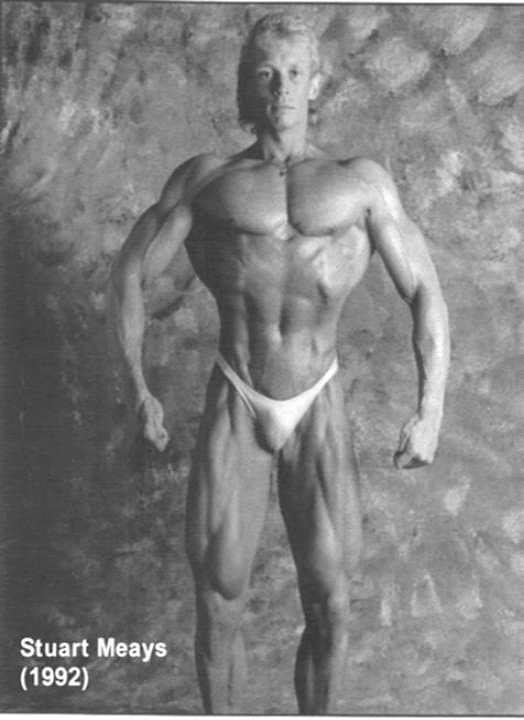
The pic to the left is a Michelangelo style pose by a toned teen. |



This page is the new page on Anabolic Steroids (Derived mainly from Wikipedia)
|
|
Anabolic Steroids
|
|
|
|
This page is the new page on Anabolic Steroids (Derived mainly from Wikipedia) |
|
|
|
|
|
|

|
Site users information Please do not abuse this facility by e.mailing false information. |
|||||||
|
Isolation of gonadal AAS - the natural substances normally present in the body, but occasionally deficient, (Hence the medical use of the later developed synthetics)
You should NOT put these at risk!
|
The use of gonadal steroids pre-dates their identification and isolation. Medical use of testicle extract began in the late 19th century while its effects on strength were still being studied. The isolation of gonadal steroids can be traced back to 1931 when Adolf Butenandt, a chemist in Marburg, purified 15 milligrams of the male hormone androstenone from tens of thousands of litres of urine. This steroid was subsequently synthesized in 1934 by Leopold Ruzicka, a chemist in Zurich.
|
||||||
|
The artificial versions Anabolic steroids, technically known as anabolic-androgen steroids (AAS) or colloquially simply as "steroids", are drugs which mimic the effects of the male sex hormones testosterone and dihydrotestosterone. They increase protein synthesis within cells, which results in the buildup of cellular tissue (anabolism), especially in muscles. Anabolic steroids also have androgenic and virilizing properties, including the development and maintenance of masculine characteristics such as the growth of the vocal cords and body hair. The word anabolic comes from the Greek anabole, "that which is thrown up, mound", and the word androgenic from the Greek andros, "of a man" -genes, "born". |
|||||||
|
History of the artificial products and their medical use. There are genuine medical uses for steroids, but like many substances they are also abused with undesirable results. Long term use - excessive use - Risks Abuse in sport. |
|
||||||
|
|
|
|||||||||||||||||
|
|
The androgenic effects of AAS are numerous. Processes affected include pubertal growth, sebaceous gland oil production, and sexuality (especially in fetal development). Some examples of virilizing effects are growth of the clitoris in females and the penis in male children -I wonder if some of the bigger porn stars took steroids as teens? (the adult penis does not grow even when exposed to high doses of androgens), increased growth of androgen-sensitive hair (pubic, beard, chest, and limb hair), increased vocal cord size, deepening the voice, increased libido, suppression of natural sex hormones, and impaired production of sperm. |
|||||||||||||||||
|
Body composition and strength improvements |
|
A review spanning more than three decades of experimental studies in men found that body weight may increase by 2–5 kg as a result of short term (<10 weeks) AAS use, which may be attributed mainly to an increase of lean mass. Animal studies also found that fat mass was reduced, but most studies in humans failed to elucidate significant fat mass decrements. The effects on lean body mass have been shown to be dose dependent. Both muscle hypertrophy and the formation of new muscle fibers have been observed. The hydration of lean mass remains unaffected by AAS use, although small increments of blood volume cannot be ruled out. |
|
|
The upper region of the body (thorax, neck, shoulders and upper arm) seems to be more susceptible for AAS than other body regions because of predominance of androgen receptors in the upper body. The largest difference in muscle fibre size between AAS users and non-users was observed in type I muscle fibres of the vastus lateralis and the trapezius muscle as a result of long-term AAS self-administration. After drug withdrawal the effects fade away slowly, but may persist for more than 6–12 weeks after cessation of AAS use. |
|
Side Effects |
||||||||
|
|
There are also sex-specific side effects of anabolic steroids. Development of breast tissue in males, a condition called gynecomastia (which is usually caused by high levels of circulating estradiol), may arise because of increased conversion of testosterone to estradiol by the enzyme aromatase. Reduced sexual function and temporary infertility can also occur in males. Another male-specific side effect which can occur is testicular atrophy, caused by the suppression of natural testosterone levels, which inhibits production of sperm (most of the mass of the testes is developing sperm). This side effect is temporary: the size of the testicles usually returns to normal within a few weeks of discontinuing anabolic steroid use as normal production of sperm resumes. Female-specific side effects include increases in body hair, deepening of the voice, enlarged clitoris, and temporary decreases in menstrual cycles. When taken during pregnancy, anabolic steroids can affect fetal development by causing the development of male features in the female fetus and female features in the male fetus. |
|||||||
|
A number of severe side effects can occur if adolescents use anabolic steroids. |
||||||||
|
For example, the steroids may prematurely stop the lengthening of bones (premature epiphyseal fusion through increased levels of estrogen metabolites), resulting in stunted growth. Other effects include, but are not limited to, accelerated bone maturation, increased frequency and duration of erections, and premature sexual development. Anabolic steroid use in adolescence is also correlated with poorer attitudes related to health. |
||||||||
|
|
|
Bigger or simply better toned? |
|
The use of weights can have these two effects. |
|
Page Created January 15th. 2011 Edited 4th. April 2013 30th April 2015.19th. March 2017 |